The year 2025 proved to be exceptionally dynamic for the Czech real estate market, signaling robust growth and a wealth of opportunities for businesses scouting new office or warehouse locations. From groundbreaking new projects to significant investment deals, the landscape evolved rapidly, primarily across Prague and Brno. This overview highlights the most pivotal moments that shaped the commercial real estate sector, offering insights into market trends and future availability.
A Year of Strategic Acquisitions and Strong Investment
The market kicked off with substantial investment activity. In January, developer Richard Morávek significantly expanded his fund Max Realitní by acquiring the Myslbek and Flora commercial centers for CZK 8 billion, underscoring strong confidence in retail assets. The trend continued into March when the Amundi group sold The Square office building in Prague's Budějovická district to Mint real estate group for over CZK 1 billion, illustrating a lively transaction market for prime office properties.
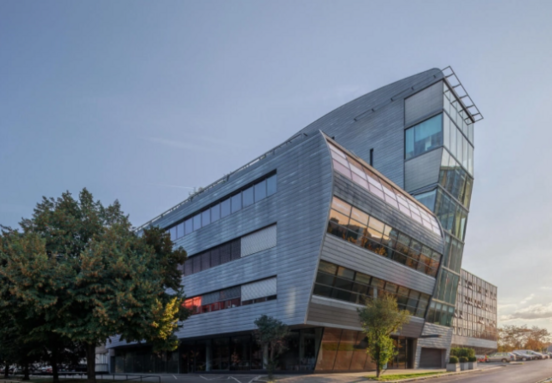
Further demonstrating investor appetite, the Reico fund from the Erste group made a significant splash in October by purchasing the Palladium shopping center, contributing to a record investment volume for commercial properties in 2025. Ending the year with a flourish, investment group SPM acquired Brno's The Campus Science Park office complex for CZK 2.3 billion in December, marking one of the year's largest real estate transactions and highlighting the continued attractiveness of regional office hubs. Additionally, Penta Real Estate's acquisition of the Czech Savings Bank headquarters near Budějovická metro station in November signals potential for future redevelopment or modernization of a key commercial site.
New Horizons: Extensive Developments Shaping Future Supply
2025 was defined by ambitious new construction projects promising a future increase in available commercial and mixed-use spaces. Developer CTP, a major player whose owner Remon Vos ascended to the ranks of the world's wealthiest, acquired land in Brno for the construction of a new building adjacent to its existing Vlněna complex, indicating continued expansion in the Moravian capital's office and tech hub.
Prague saw multiple large-scale announcements. Luděk Sekyra advanced the development of the Žižkov City quarter, while Radim Passer unveiled extensive plans for CZK 21 billion worth of new offices and apartments in Brumlovka and Roztyly – a significant pipeline of new premium office space. In May, Prague municipal authorities greenlit the sale of land for the sprawling Nové Holešovice development, another mixed-use project poised to bring substantial new commercial and residential opportunities.
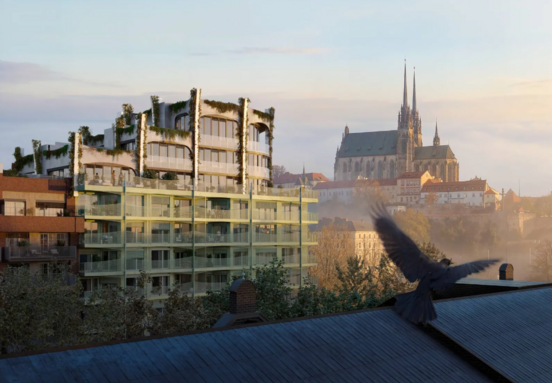
Significant progress was also made on redeveloping existing sites. The British investment group Mount Capital completed the first phase of the Pragovka reconstruction, kickstarting a major overhaul of the industrial complex that is set to include modern office and retail spaces. Similarly, Crestyl advanced preparations for the transformation of the entire Savarin complex in central Prague, a project expected to yield high-quality commercial units.
A new entrant to the Czech market, Slovak developer Corwin, announced plans in November for a new mixed-use district in Prague Vysočany, designed to integrate apartments, offices, and retail, further diversifying the market's future supply.
Evolving Market & Flexible Solutions
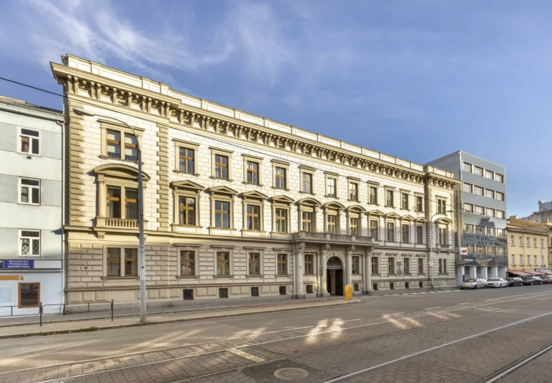
The year also saw a focus on market infrastructure and evolving workspace solutions. Platforms Flat Zone and Dataligence, crucial for real estate market data, merged under the Flat Zone brand, enhancing data accessibility for businesses. For companies seeking immediate or flexible solutions, the repair of the palace at Náměstí Republiky 7 by Crestyl led to the opening of new flexible offices by Scott.Weber Workspace, catering to modern business needs for adaptable environments.
Regulatory frameworks also saw movement, with Prague publishing a draft of the new Metropolitan Plan in October, which will significantly influence future construction, and the new government in November announcing its intention to revise the Building Act. These changes are crucial for understanding the long-term development trajectory and planning for future commercial space needs.
Source: forbes.cz